About this episode
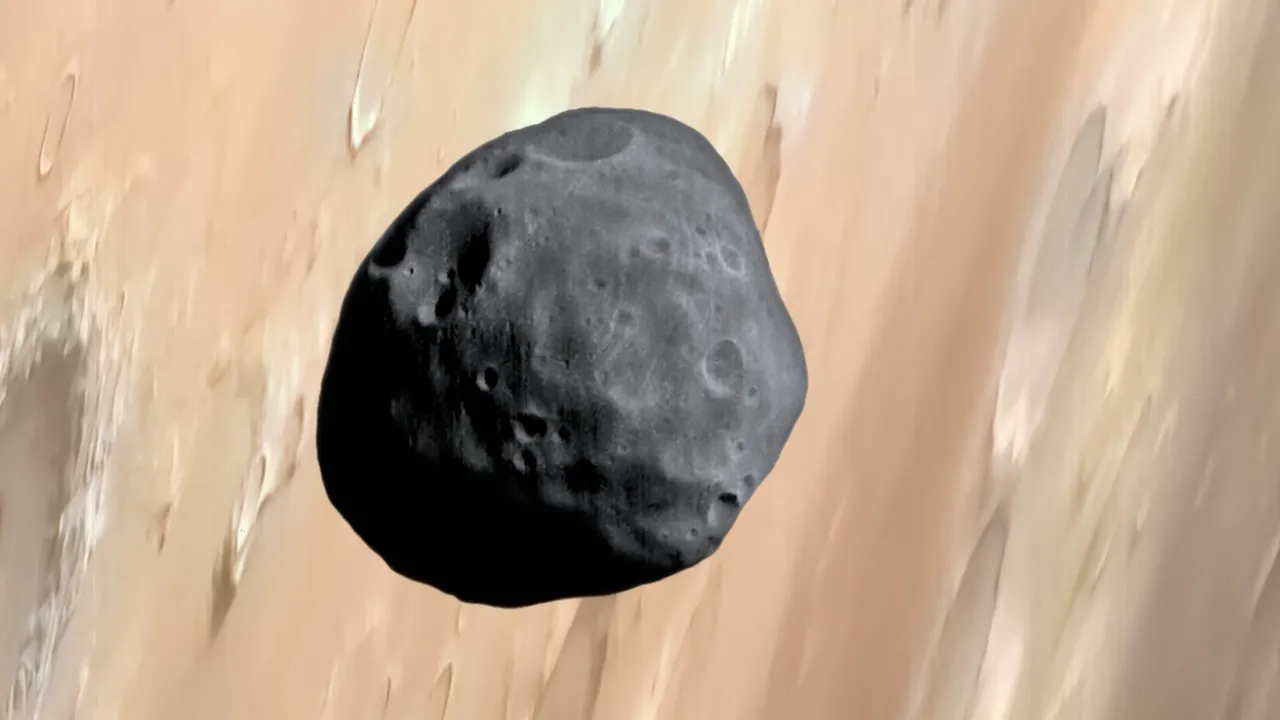
First up on the podcast, freelance science journalist Robin George Andrews describes Japan’s upcoming Martian Moons eXploration mission that will nab a sample from the surface of Mars’s moon Phobos. The material, due back to Earth in 2031, could reveal the origins of this mysterious moon, the past habitability of Mars, or even hints of life itself. Next on the show, Hawaii’s Kilauea volcano started to periodically spew tall fountains of lava in December 2024. Researchers and the public tuned in to watch more than 50 fountaining events steaming live online. Ashton Flinders, a research geophysicist at the U.S. Geological Survey’s Hawaiian Volcano Observatory, joins host Sarah Crespi to talk about how observations from the cameras plus geochemical, geophysical, and geologic monitoring revealed a predictable pattern in these usually rare events. Last up this week, Javier Birchenall, professor of economics at the University of California, Santa Barbara, discusses predictions of world-ending crises—starting with a prediction published in a Science paper in 1960 that suggested Earth’s population would reach a singularity on 13 November 2026. We are still here and the global population is headed for a decline. What happened to the singularity and what else are we not predicting very well? Heinz von Foerster et al., Science 1960 Doomsday: Friday, 13 November, A.D. 2026 “At this date human population will approach infinity if it grows as it has grown in the last two millenia[sic].” Image: ESA Mars Express/Andrea Luck This week’s episode was produced with help from Podigy. Learn more about your ad choices. Visit megaphone.fm/adchoices
Comments
Rate this episode
Episode Details
- Author
- Science Magazine
- Show Type
- full
- Audio Format
- audio/mpeg