
Speaking of Mol Bio
By Thermo Fisher Scientific
Speaking of Mol Bio, a podcast series from Thermo Fisher Scientific, discusses trending applications in science and the molecular biology aspects of those applications. Our host delves in to deep discussion with CEOs, R&D scientists, researchers, and key opinion leaders across the globe. Speaking of Mol Bio helps scientific curious people - from all scientific and non-scientific backgrounds - understand how modern molecular biology applications can help push the boundaries in medicine, science, drug discovery, and in the cure and treatment of diseases. Music from NOWHERE by ikson™ (https://www.iksonmusic.com)
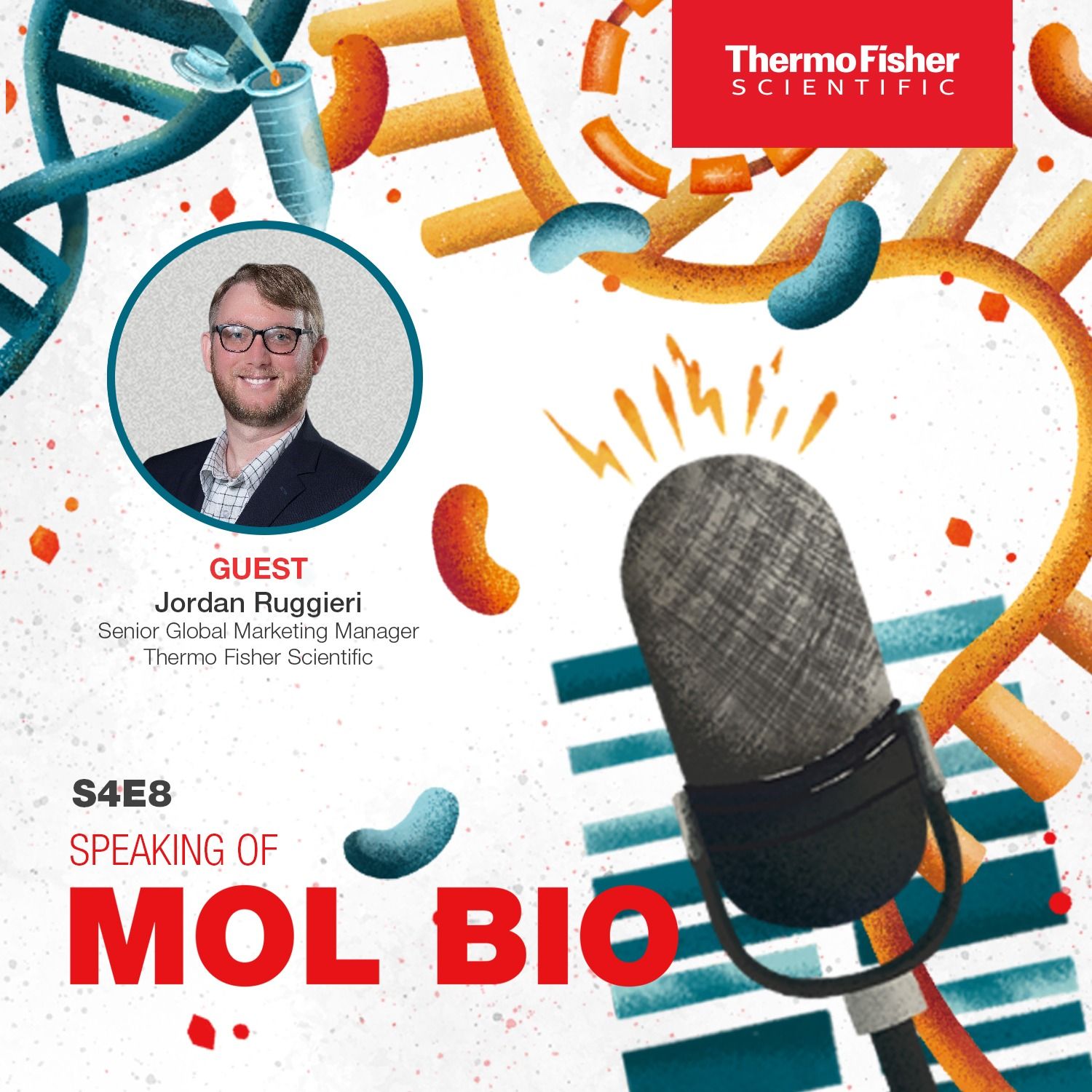
In this crossover episode, Steve talks with Jordan Ruggieri, co-host of Absolute Gene-ius, about the molecular biology tools, research stories, and career journeys featured across the podcast. Their conversation explores PCR, qPCR, digital PCR, sequencing, sample prep, AI, lab resilience, and the curiosity that drives scientific discovery.
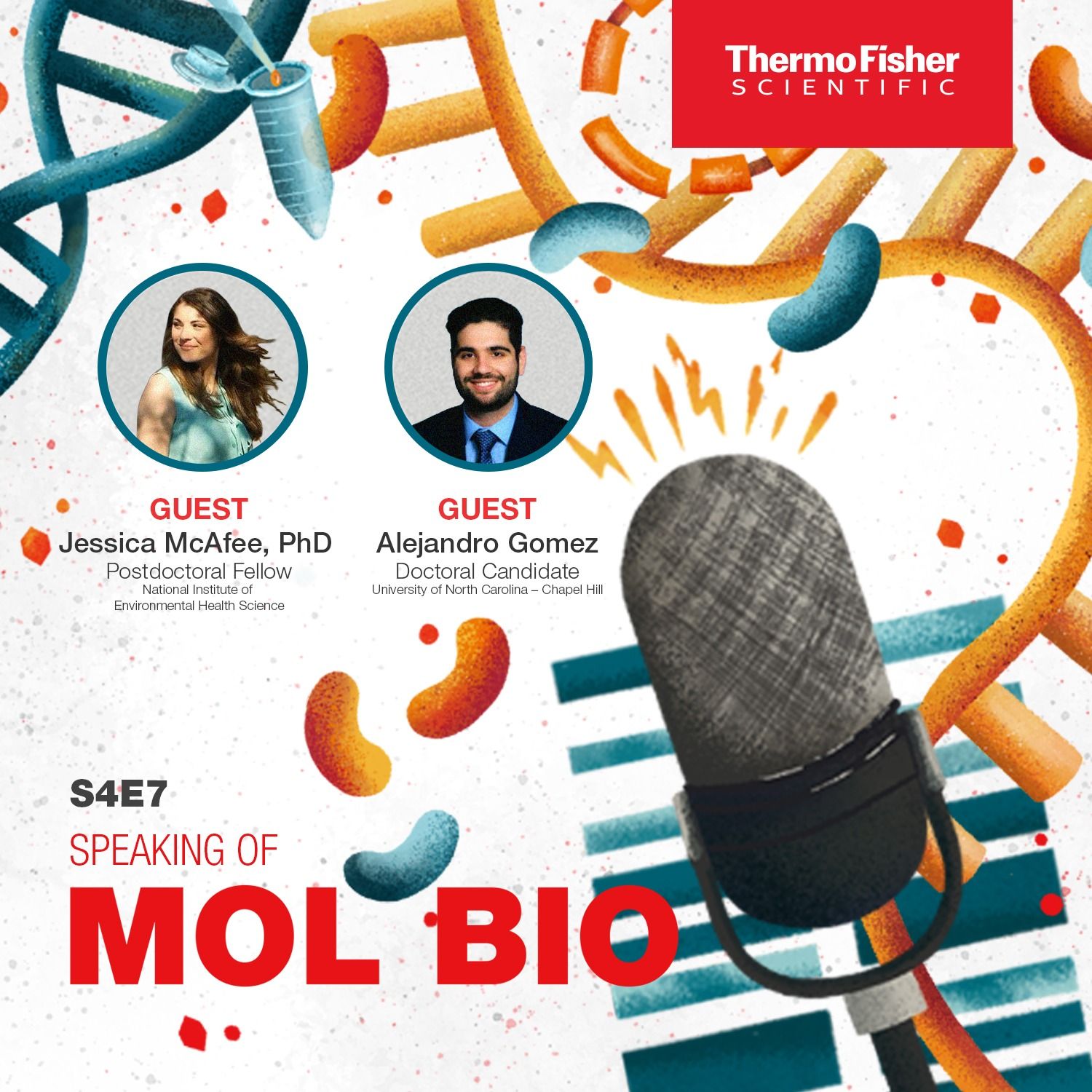
In this episode, Jess McAfee, PhD, and Alejandro Gomez discuss how massively parallel reporter assays, CRISPRi, single-cell RNA sequencing, and other molecular biology tools can help researchers better understand genetic variants linked to psychiatric disorders. They also share their winding early-career paths, what drew them to CRISPR, and why persistence, mentorship, and curiosity matter in science.
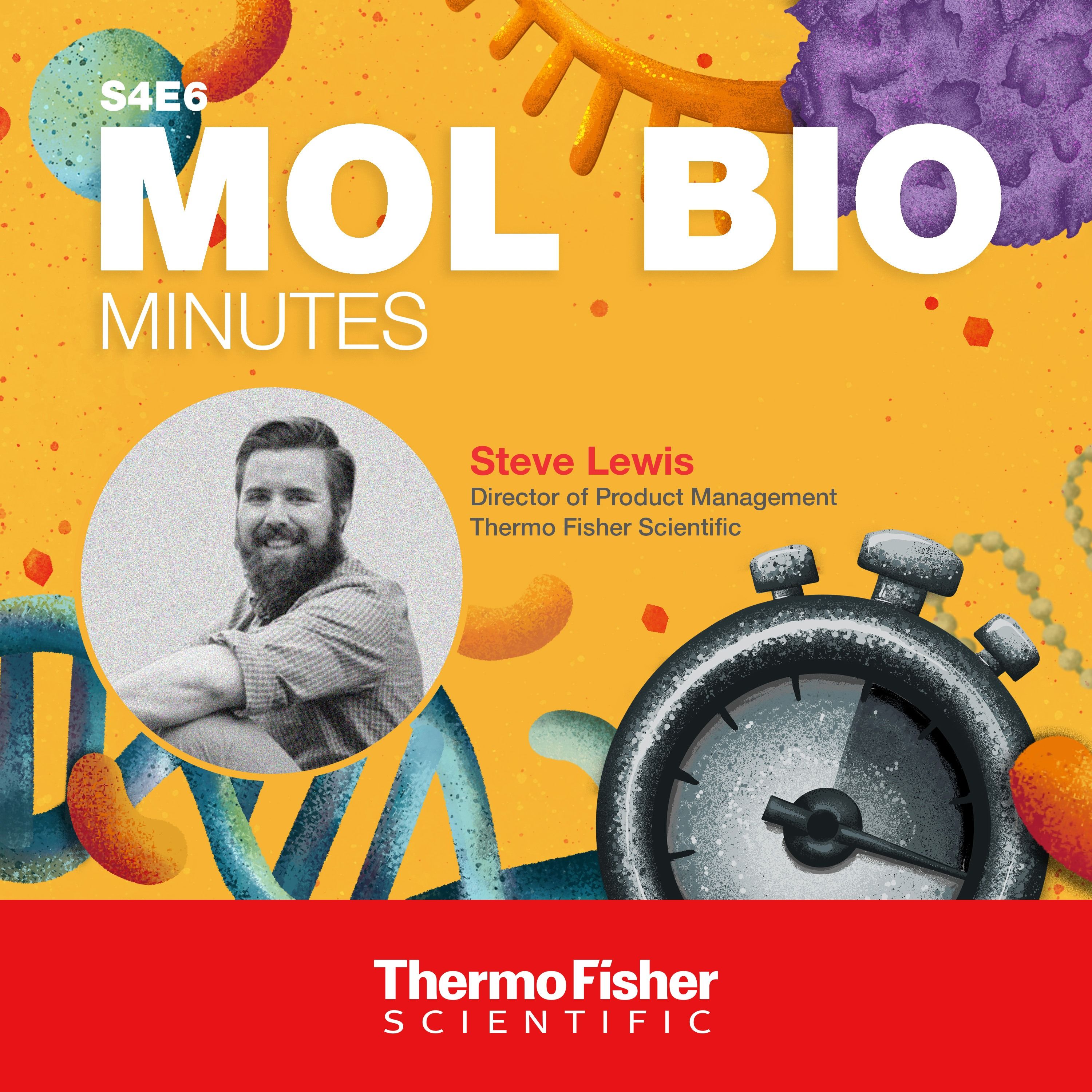
Scaling a successful assay into a manufacturable product is one of the biggest hurdles in biotech. This episode explores how integrated design, prototyping, and manufacturing approaches can eliminate bottlenecks and accelerate commercialization.
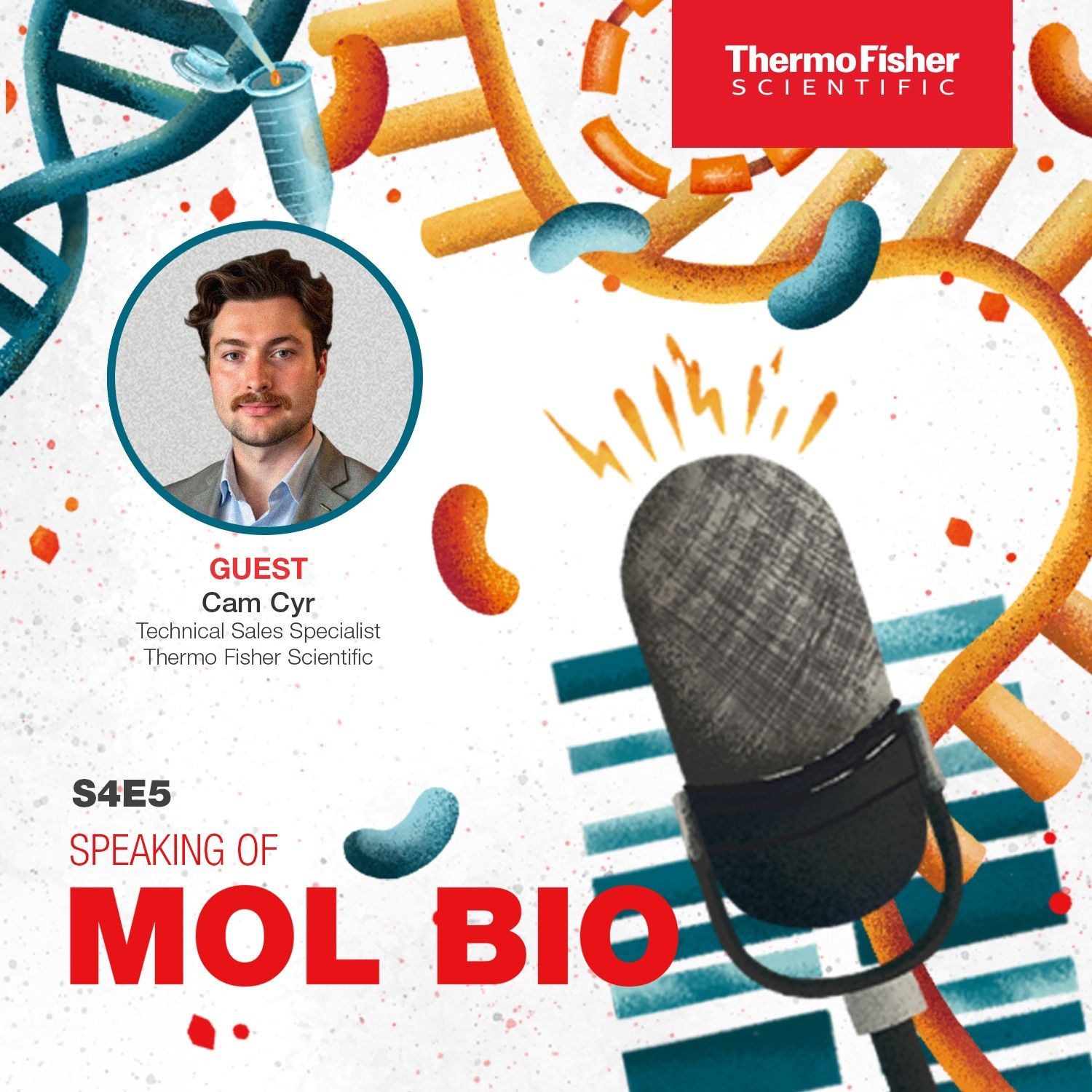
How do scientists balance cost, performance, and risk when choosing molecular biology tools? Cam Cyr shares real-world insights into how smarter reagent decisions can accelerate research and reduce costly experimental failures.
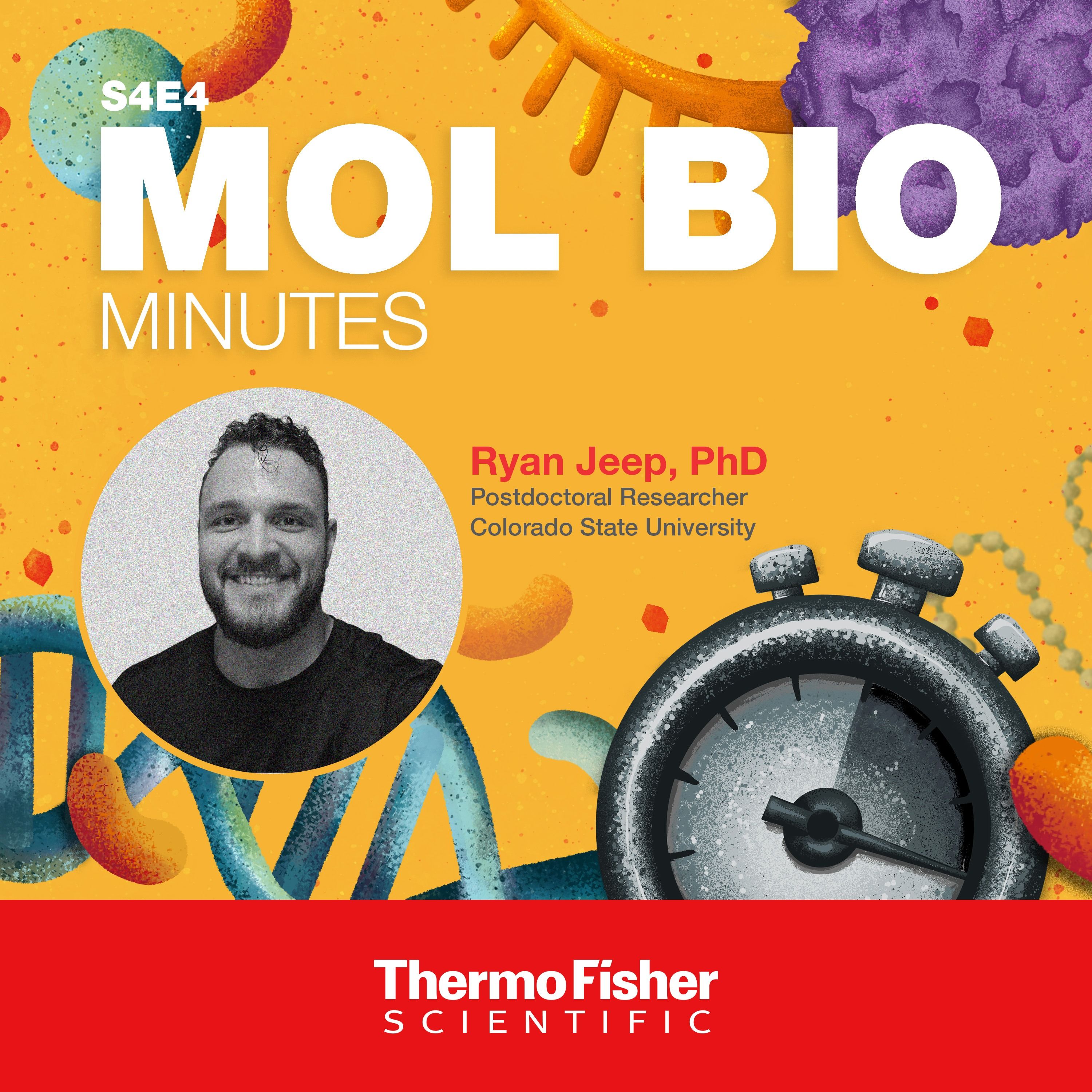
Dr. Ryan Jeep explores how core molecular biology techniques like qRT-PCR, sequencing, cloning, and CRISPR underpin modern HIV detection, drug resistance research, and emerging cure strategies. From viral load monitoring to gene editing, this episode highlights how foundational molecular tools drive real-world impact in HIV research.
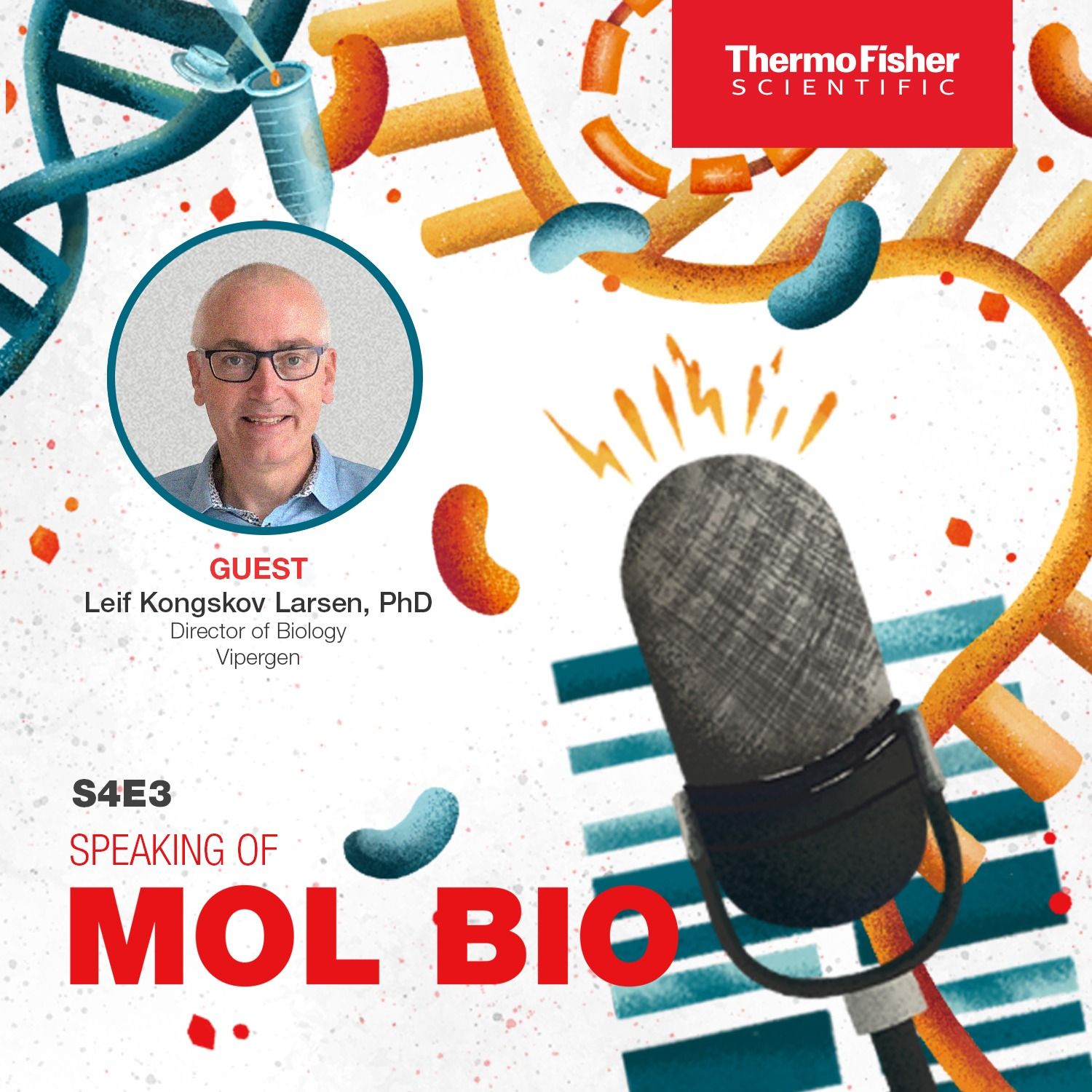
Dr. Leif Larsen discusses how DNA-encoded libraries (DELs) are transforming drug discovery by enabling scientists to screen hundreds of millions of compounds simultaneously. He explains Vipergen’s innovative approach to screening DELs inside living oocyte cells, offering physiologically relevant insights into protein–compound interactions.
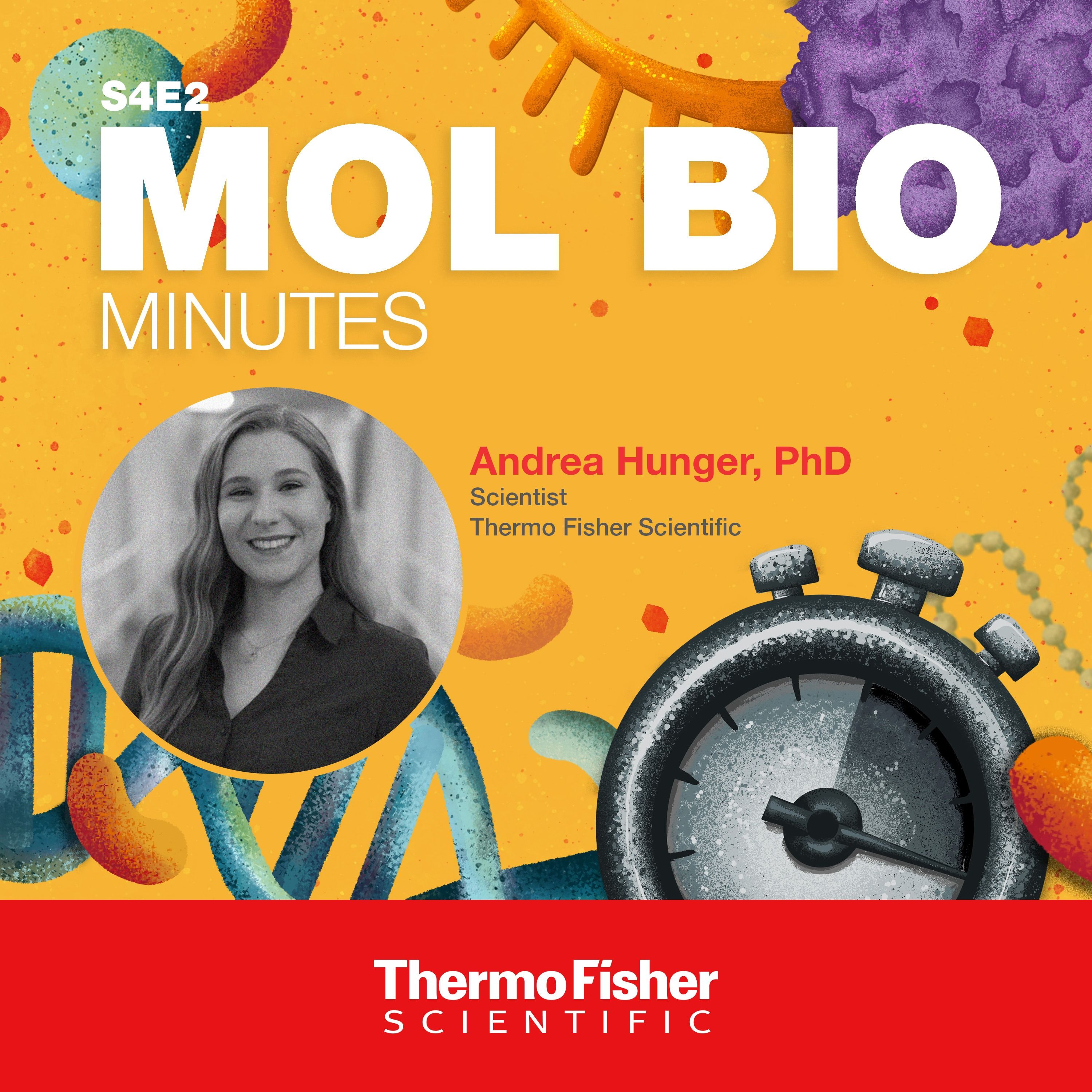
Dr. Andrea Hunger explains the key differences between endpoint PCR, qPCR, and digital PCR, highlighting when each method is most useful in molecular biology workflows. The episode provides practical guidance on selecting the right PCR approach based on experimental goals, from simple presence/absence detection to precise absolute quantification.
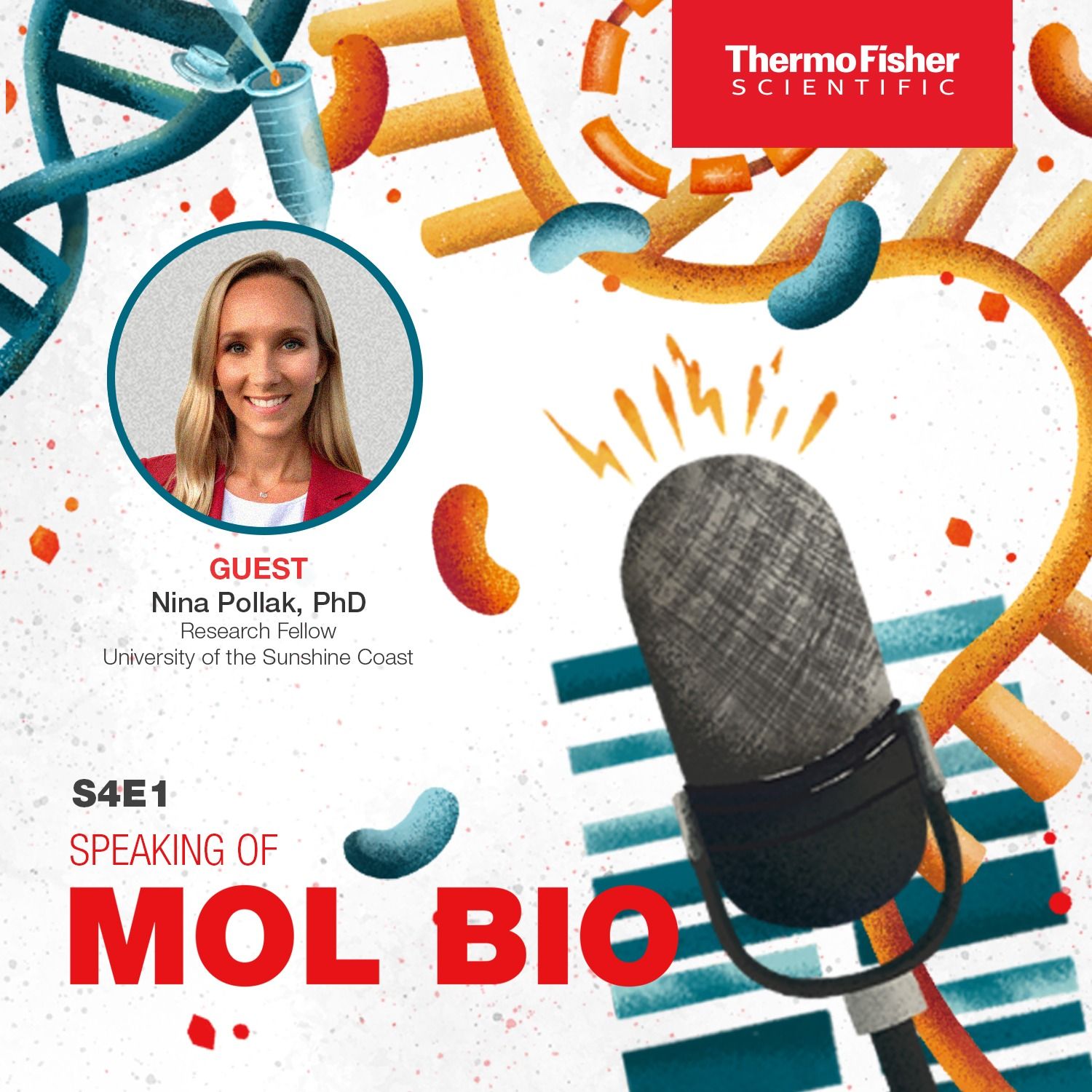
Dr. Nina Pollak discusses the development of a groundbreaking single-dose vaccine designed to protect endangered koalas from Chlamydia pecorum, a major driver of disease and infertility in wild populations. The conversation highlights how traditional molecular biology tools, from recombinant protein expression to PCR detection, are enabling conservation efforts with real-world ecological impact.
Rolling Circle Amplification (RCA) is an isothermal technique that offers high-yield, primer-free DNA amplification, perfect for circular DNA and low-input samples. In this episode, Laurynas Alijošius explains how RCA fits into the pre-NGS workflow and how new engineered polymerases are improving speed, fidelity, and sensitivity.
Applyo Jena is redefining how sensitive reagents are stored, shipped, and used in molecular biology and diagnostics. In this episode, co-founders Dr. Hanno Hermann and Dr. Thanh Tu Hellmich-Duong share how their lyo-bead platform is enabling field-deployable assays, cold-chain-free shipping, and future applications in mRNA therapeutics and nanoparticle purification.
Monika Jazdauskaitė, R&D scientist at Thermo Fisher Scientific, explains the fundamentals of Recombinase Polymerase Amplification (RPA) and how this isothermal technique is transforming both target detection and NGS workflows. From pathogen identification to sequencing library prep, RPA offers speed, simplicity, and flexibility without even thermal cycling.

Dr. Andre Ghetti, CEO of AnaBios, joins to discuss how his company helps de-risk drug development by using ethically sourced, functional human tissues to generate preclinical data. He shares how AnaBios bridges the translational gap between animal models and clinical trials through precision assays, AI-powered analytics, and validated human tissue platforms.
Dr. Agnė Alminaitė introduces Thermo Fisher Scientific’s new Dry-Ready™ reagent kits for RT-LAMP and RT-qPCR assays, offering room temperature stability without requiring lyophilization. She explains how these kits simplify workflows, reduce equipment needs, and help assay developers bring stable, reliable tests to market faster.
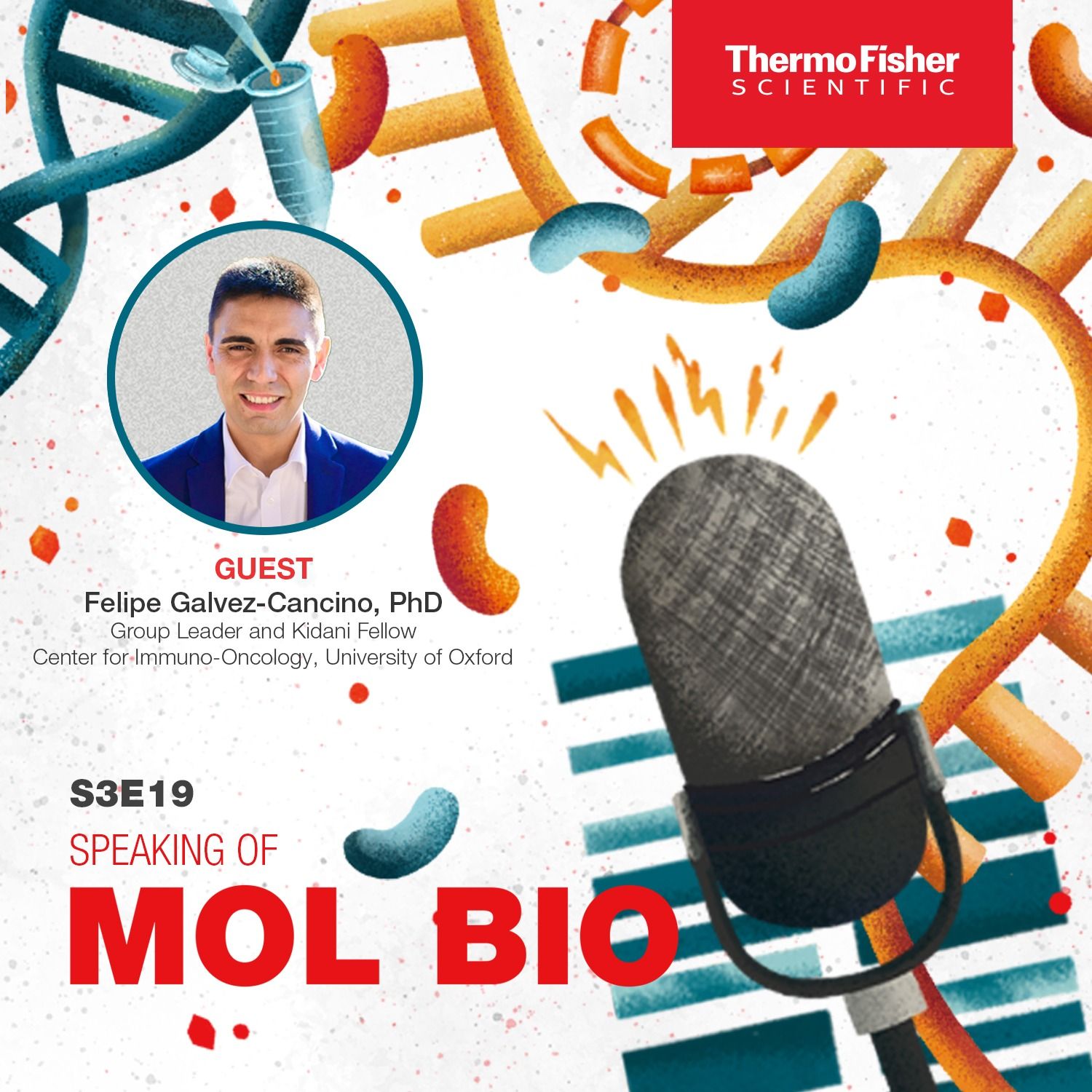
Dr. Felipe Gálvez-Cancino of Oxford University discusses how regulatory T cells suppress immune responses in cancer and how his lab is teaching macrophages to overcome those signals and phagocytose tumor cells. He shares insights from his journey through cancer vaccines, antibody engineering, and the fundamental biology of immune regulation.
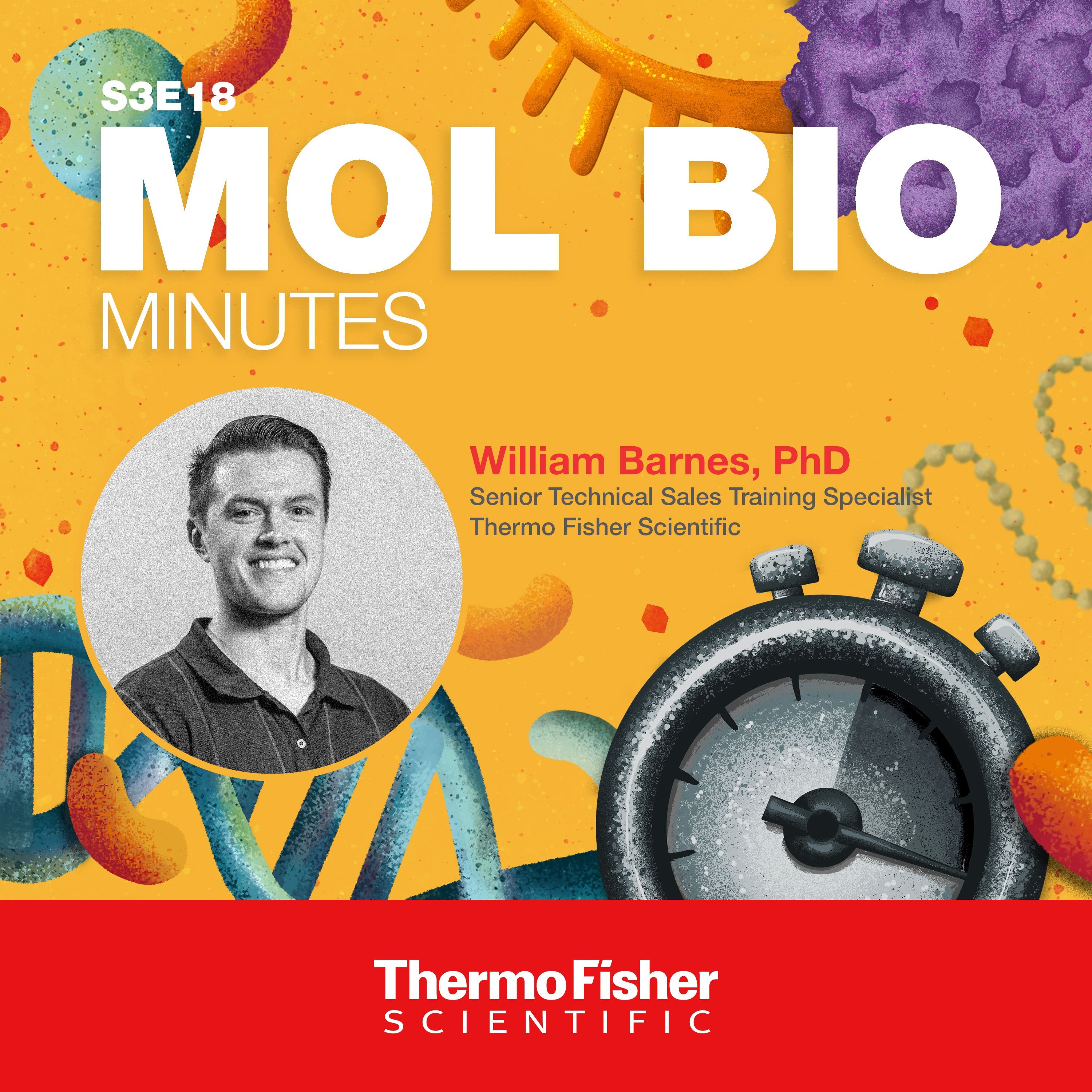
Dr. Will Barnes shares insights from his years at the bench as a plant biologist, detailing the challenges of working with RNA and cDNA synthesis in difficult samples. He discusses how smarter reagent choices and thoughtful sample prep transformed his results and his perspective.
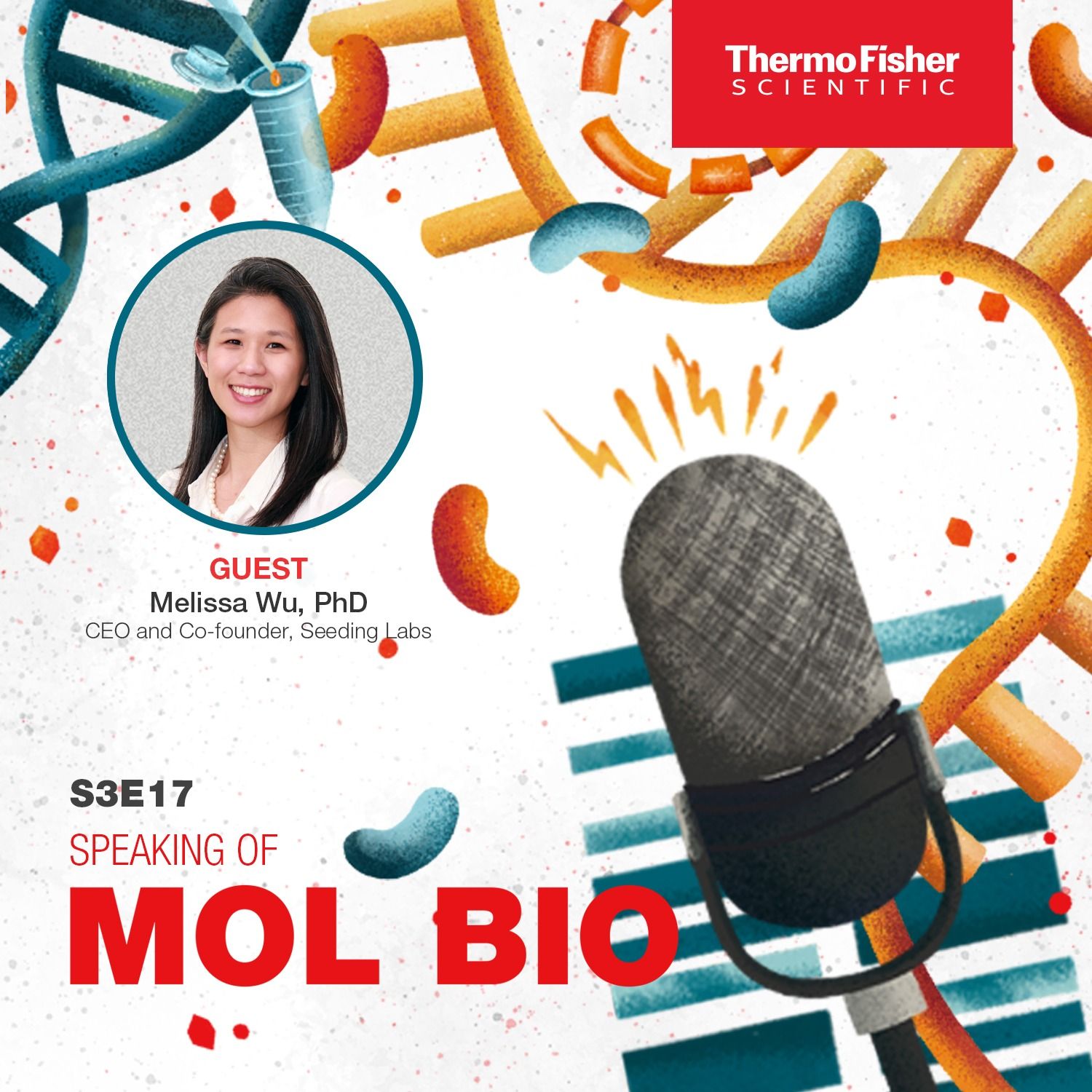
Dr. Melissa Wu, CEO of Seeding Labs, joins the show to share how her nonprofit is accelerating global science by connecting surplus lab equipment with researchers in under-resourced countries. From thermal cyclers to fume hoods, she explains how Seeding Labs is building institutional capacity and empowering scientific talent worldwide.
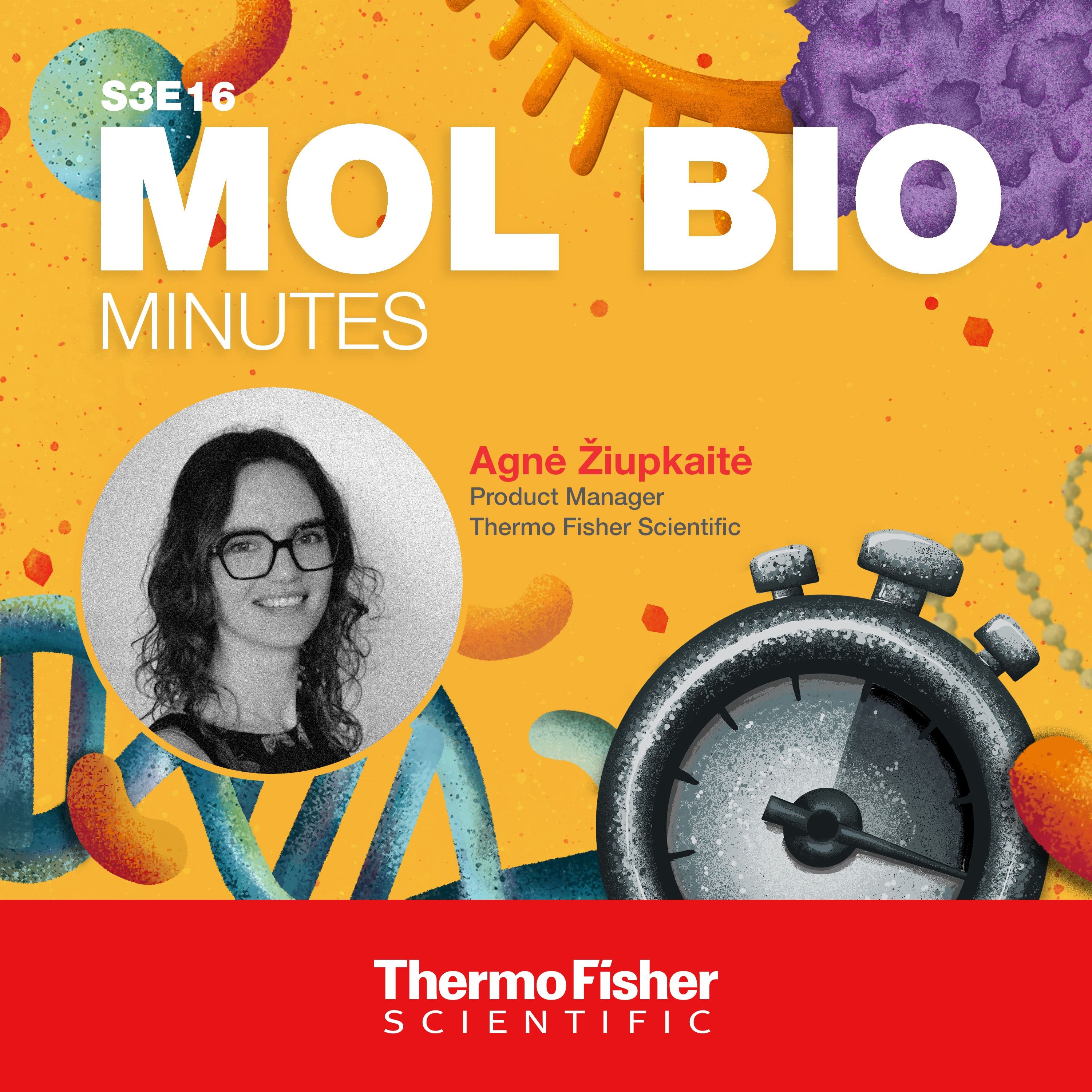
This Mol Bio Minutes episode features Thermo Fisher's Agnė Žiupkaitė diving into the evolving landscape of RT-qPCR assay development. She discusses enzyme customization, reagent formulation, and how choosing the right raw material supplier can significantly impact assay performance and commercialization success.
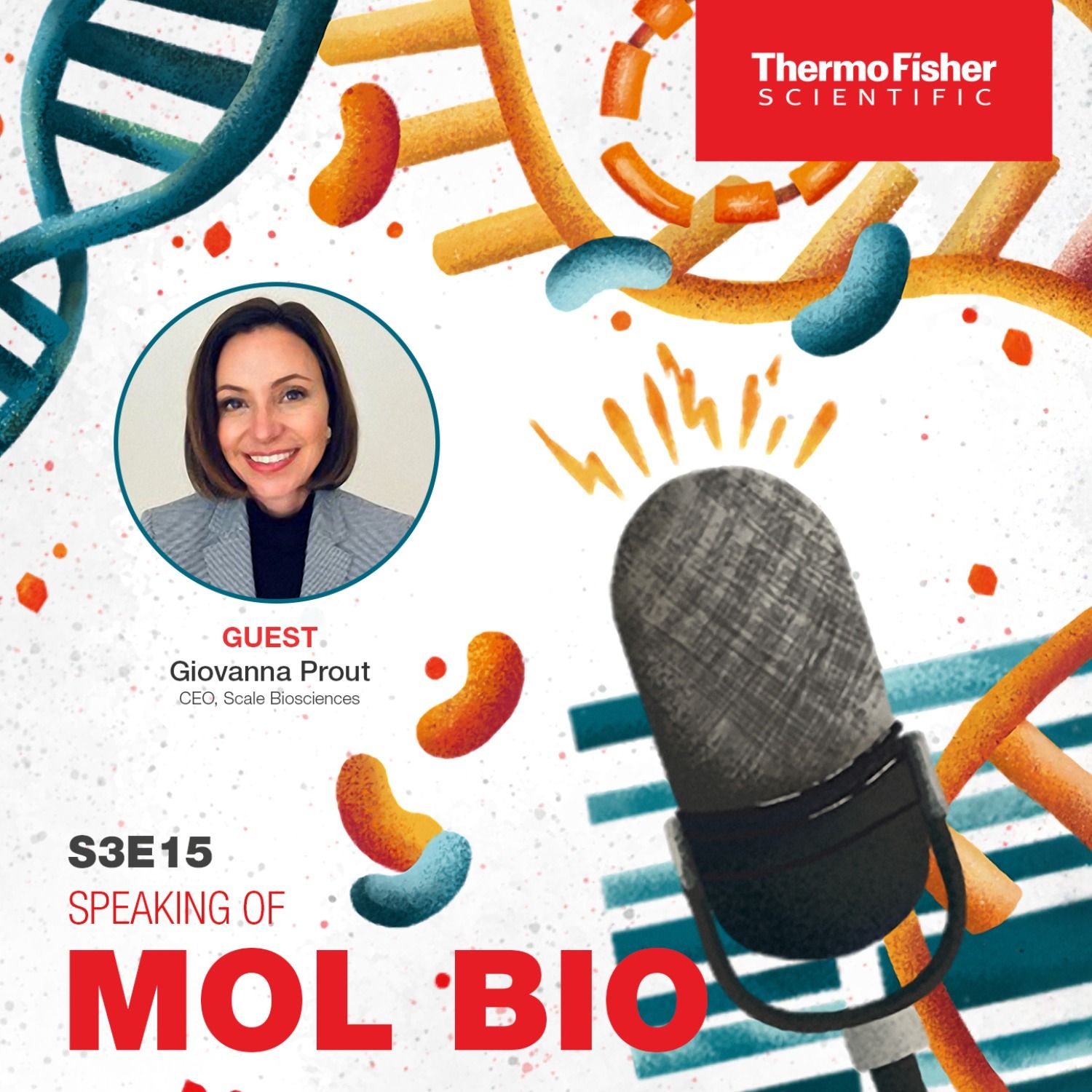
Giovanna Prout, CEO of Scale Biosciences, shares how her multidisciplinary background and entrepreneurial spirit drive the development of scalable, instrument-free single-cell omics solutions. She discusses the company’s core technology, quantum barcoding, and how Scale is enabling massive-scale experiments that fuel AI, drug screening, and precision medicine.
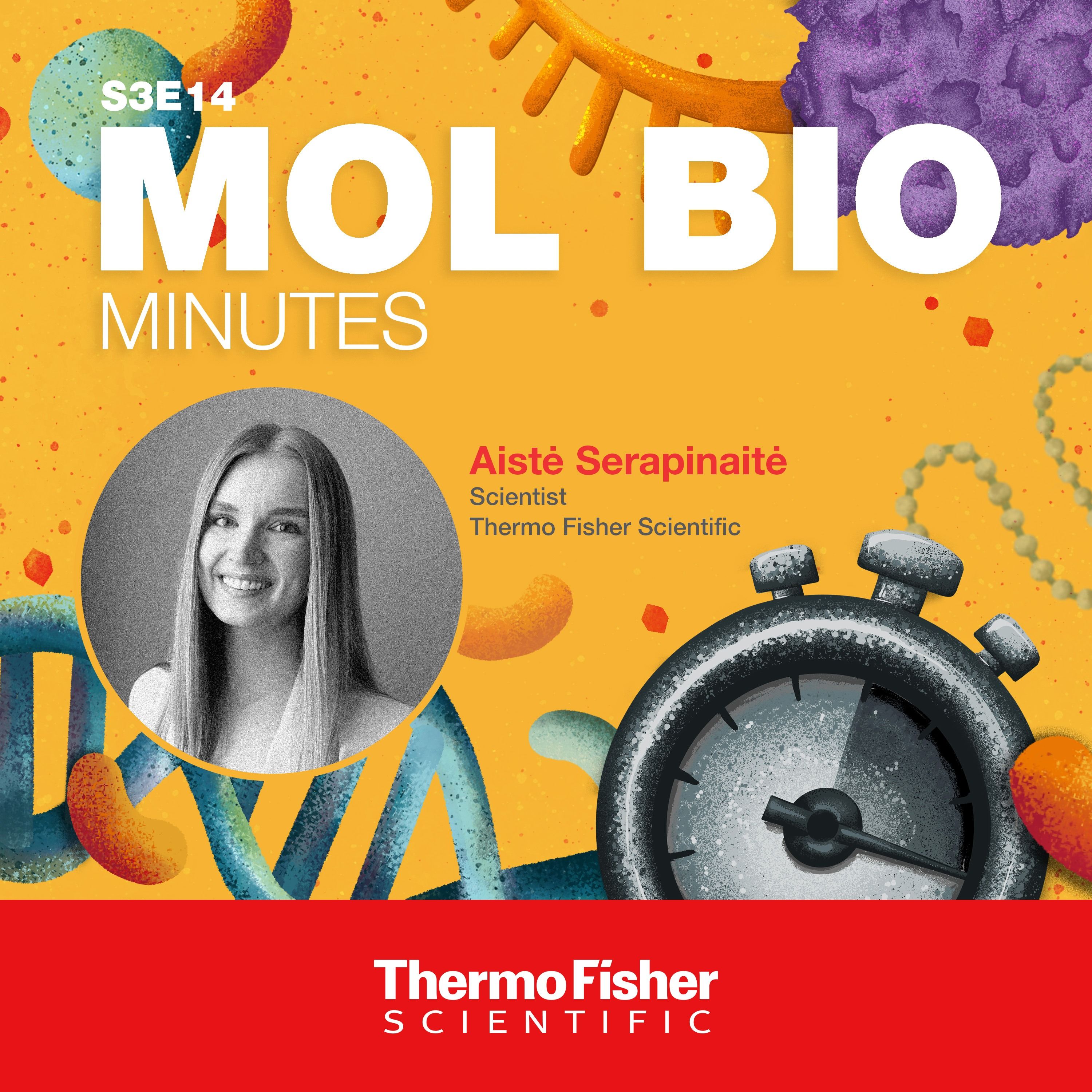
This episode dives into the principles and advantages of 1-Step RT-PCR, an efficient method that streamlines RNA detection into a single-tube process. Aistė Serapinaite explains how this technology saves time, reduces contamination risk, and offers high sensitivity for applications ranging from gene expression analysis to viral pathogen detection.

Dr. Beth Webb joins to discuss the fascinating complexity of platelets—tiny, nucleus-free powerhouses involved in clotting, immunity, and beyond. She shares insights from her research at the University of Leeds and reflects on the challenges and rewards of science communication.